
You are currently viewing How Does God Speak Today? A Reformed Perspective

How Does God Speak Today? A Reformed Perspective

Views: 13

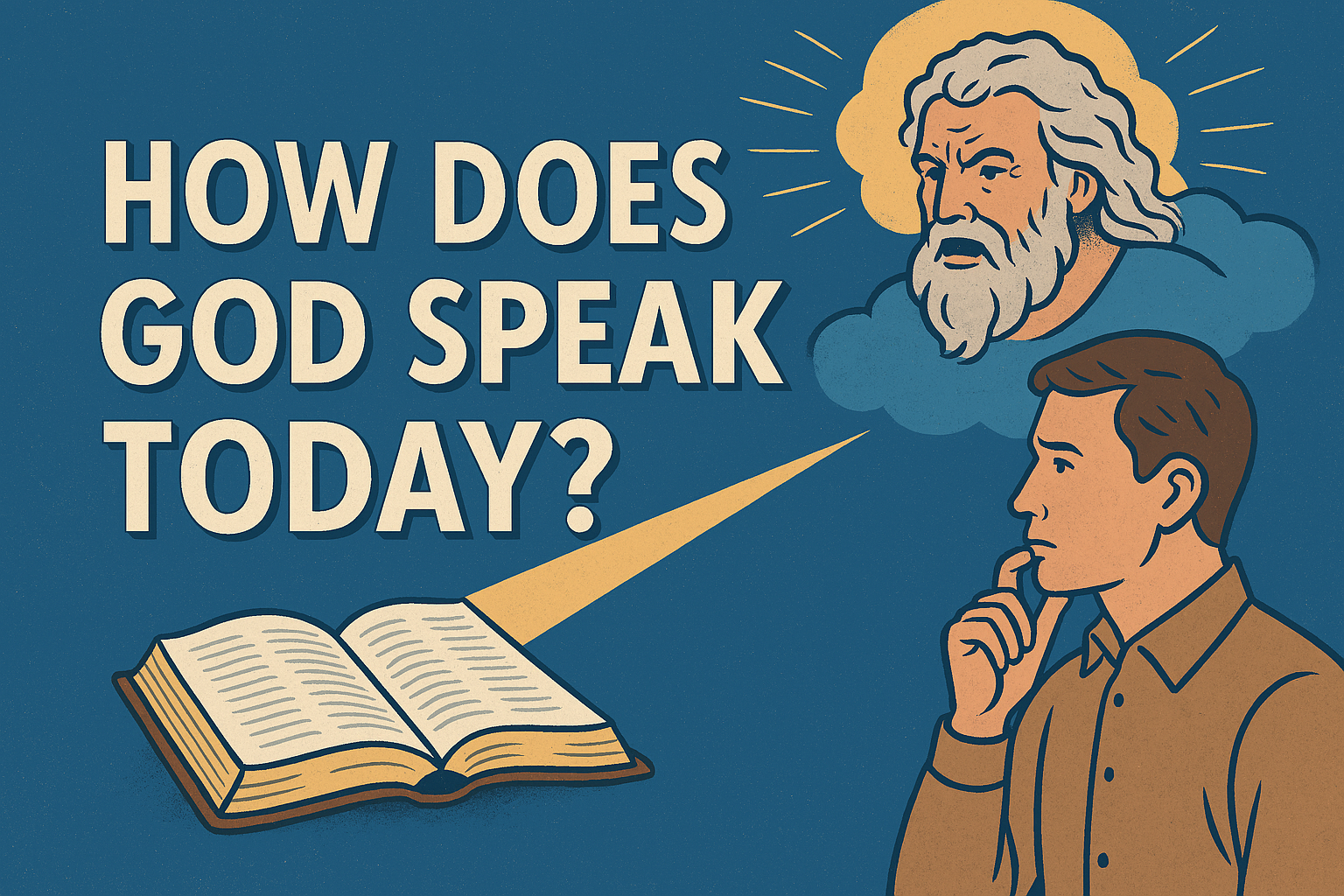
Introduction In every generation, Christians wrestle with the question: How does God speak today? Some claim to hear voices, others emphasize dreams or impressions, while the Reformed tradition insists that God’s voice is found clearly and finally in His Word. This article explores the Reformed perspective on divine communication, showing why Scripture remains our sufficient, authoritative, and trustworthy guide for faith and life.

1. The Foundational Principle: Sola Scriptura In Reformed theology, the conviction is simple yet profound: God speaks finally, sufficiently, and authoritatively through Scripture.

Hebrews 1:1–2 reminds us:

“Long ago, at many times and in many ways, God spoke… but in these last days He has spoken to us by His Son.”

This is summarized in Sola Scriptura:

Scripture is the final authority

Scripture is sufficient for faith and life

Scripture is clear in its essential teachings

The Westminster Confession of Faith (1.1) puts it plainly:

“Those former ways of God’s revealing His will unto His people being now ceased.”

2. Does God Speak Today? Yes—but not through new revelation. God speaks today through:

Scripture (Primary and Objective) “All Scripture is God-breathed…” (2 Timothy 3:16–17). When the Word is read, preached, and rightly interpreted, God Himself is speaking.

Preaching of the Word Not because preachers are inspired, but because the Word is. As Paul wrote:

“You accepted it not as the word of men but as what it really is, the word of God.” (1 Thessalonians 2:13)

The Holy Spirit’s Illumination The Spirit does not whisper new sentences into our minds. Instead, He opens our understanding (Luke 24:45), convicts of sin (John 16:8), and applies Scripture to the heart (1 Corinthians 2:12). This is illumination, not revelation.

3. Is “Hearing Voices in the Head” Biblical? No. While the Bible records audible voices to prophets and apostles, these were rare, public, and redemptive-historical events authenticated by miracles. Today, Scripture warns against mistaking inner impressions for God’s voice:

“They speak visions of their own minds, not from the mouth of the LORD.” (Jeremiah 23:16)

“Do not add to His words.” (Proverbs 30:6)

Voices can arise from emotions, imagination, trauma, or even deception. The Reformers were clear: God does not bypass His Word to speak directly into the mind.

4. What About Dreams and Visions? Yes, God used dreams and visions in biblical times (Joseph, Daniel, Peter, Paul). But these served revelatory purposes before the completion of the New Testament. Today, dreams have no binding authority. They cannot teach doctrine, guide the church, or override Scripture. Most are simply physiological or emotional (Ecclesiastes 5:3).

5. How Does God Guide Believers Today? God leads His people through ordinary means of grace:

Scripture

Prayer

Wisdom

Providence

The Church (elders, counsel, discipline)

As Psalm 119:105 declares:

“Your word is a lamp to my feet and a light to my path.”

6. Are Pentecostal Claims Like “God Told Me” Valid? From a Reformed perspective: No—as revelation. Such claims function as prophecy or extra-biblical revelation, undermining Sola Scriptura. Even if well-meaning, they elevate personal experience above God’s Word. At best, they may reflect a strong impression of biblical truth—but the language is dangerous, as it confuses human thoughts with God’s voice.

7. Speaking Correctly Instead of saying: ❌ “God told me…”

Say:
✅ “Scripture teaches…”
✅ “I believe this is wise based on God’s Word…”
✅ “I am convicted by this passage…”

This protects God’s authority, the conscience of others, and the sufficiency of Scripture.

8. Summary How does God speak today? Through Scripture, preached and applied by the Spirit.

Hearing voices? No—dangerous and unbiblical.

Dreams & visions? Not normative; no authority.

New revelation? No.

“God told me” claims? Invalid as revelation.

Guidance today? Word, wisdom, prayer, providence, church.

Final Pastoral Word God is not silent—but He is not speaking randomly. The miracle is not hearing a voice, but having the completed Word of God.

“Blessed are those who hear the Word of God and keep it.” (Luke 11:28)

Call to Action If you long to hear God speak, open your Bible. Read it daily, meditate on its truths, and gather with God’s people to hear it preached. Treasure the miracle of having God’s completed Word in your hands—and let it shape your faith, your life, and your worship.

Discussion Questions When you think about God “speaking,” what comes to mind first—Scripture, impressions, or something else?

How does Sola Scriptura protect us from confusion about God’s voice?

Have you ever heard someone say “God told me…”? How might you respond in a way that honors Scripture?

What role does the Holy Spirit’s illumination play in your daily reading of the Bible?

How can your church community help you discern God’s guidance through ordinary means of grace?

Leave a Reply